
Why continuous training is strategic
In a constantly changing economy, continuous training has become a strategic necessity for companies that want to stay competitive. Digital transformation, rapid technological progress and new ways of working all call for up-to-date skills and constant adaptation. Investing in continuous training improves employee performance and makes the company more resilient to new challenges. But delivering effective continuous training is not easy.
This article looks at the main challenges companies face in setting up effective continuous training, and how digital tools like Shiroo can help meet them. We will also cover the benefits for the company and its employees.
The challenges of training at work
Setting up a structured continuous training policy can run into several obstacles.
- Lack of time: busy with day-to-day work, employees rarely find time to train. Managers also struggle to free up time while keeping production on track.
- Fast-changing skills: the skills companies need are changing quickly. Technologies such as artificial intelligence or new data management platforms require knowledge to be refreshed constantly. To stay relevant, training has to be flexible and keep up with the industry.
- Cost: for some companies, training is a significant investment, in both money and time. The direct cost, plus lost productivity during sessions, can discourage regular training.
- Employee motivation: some people see training as one more chore rather than a chance to grow. Without strong commitment from leadership and a learning culture, training can be poorly received or underused.
- Measuring impact: without clear indicators, it is hard to measure how well training works, justify the investment or show its real benefits.
How digital tools like Shiroo support training
Digital tools are an effective way to meet these challenges. A platform like Shiroo does not replace training sessions; it extends them into everyday work by making the company’s know-how available at any time. Here is how.
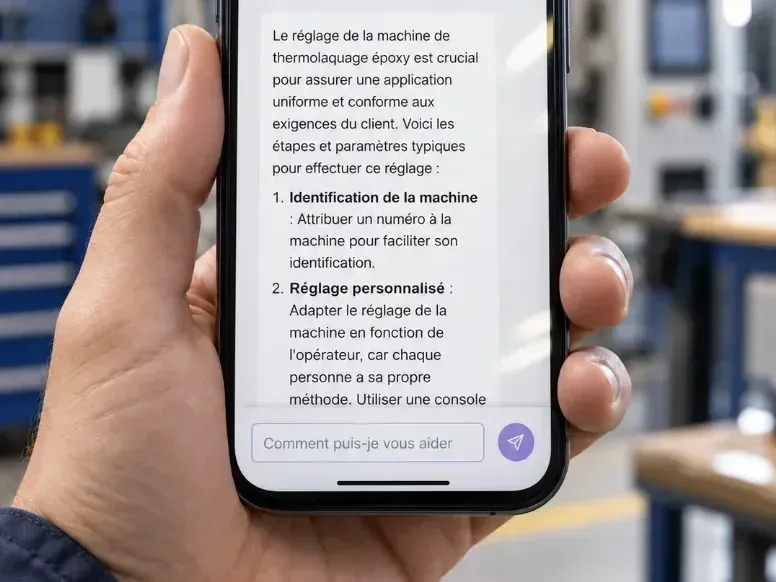
- Learning at the workstation, when it is needed: on a phone, tablet or computer, people ask their question in their own words and get a sourced answer right in front of the machine. Training no longer means blocking out time: it happens during the work, which removes the time constraint and keeps costs down.
- Content that comes from the field: experts explain what they do out loud, take a photo or film the task, and Shiroo’s AI turns it into a clear, illustrated knowledge sheet. Training material reflects the company’s real jobs, not generic theory.
- Reliable knowledge: every sheet is reviewed and approved by a subject-matter referent before it is published. New hires learn the right method, the one the company has chosen.
- Always up to date: skills keep changing, and a sheet is simple to edit and expand. When a method changes, the referent updates the sheet and the whole team benefits right away.
- Collaborative learning: everyone can share what they learned in the field, and coworkers learn from each other. The team’s collective intelligence becomes a training resource in its own right.
The benefits of structured continuous training
Continuous training benefits both the company and its employees.
- Stronger skills and productivity: better-trained employees are more effective day to day. Building skills regularly meets today’s requirements and prepares people for tomorrow’s. Higher productivity translates directly into competitiveness.
- More engaged employees: offering training shows employees that the company is investing in their growth. It strengthens their sense of belonging and commitment, and people who feel valued are more likely to stay and contribute actively.
- Adaptability and resilience: a company that encourages continuous training builds a learning culture. It responds better to market shifts, new technology and organizational change, and becomes more resilient in a crisis.
- Lower turnover: a lack of career prospects is one of the main reasons people leave. Continuous training shows a commitment to growing people internally, which helps retain talent. It also lets the company fill skill gaps without always hiring from outside.
- Innovation and creativity: continuous training opens new perspectives and fosters a culture of innovation. Employees trained in new technologies and methods are better equipped to suggest solutions and move the company forward.
Conclusion: building a sustainable future through training
With digital transformation and rapid change, continuous training is no longer optional; it is a requirement for staying competitive. With digital tools like Shiroo, training becomes more flexible, more accessible and grounded in what really happens in the field. By investing in continuous training, companies strengthen their people’s skills and secure their own future.
Structured continuous training is one of the keys to success: it helps companies innovate, adapt and grow sustainably. For employees, it is a chance for personal and professional growth and a rewarding career path. In a world that never stops changing, the companies that invest in their people are the ones that will stay competitive and resilient.